
BUILT TO MAKE SENSE OF MENOPAUSE
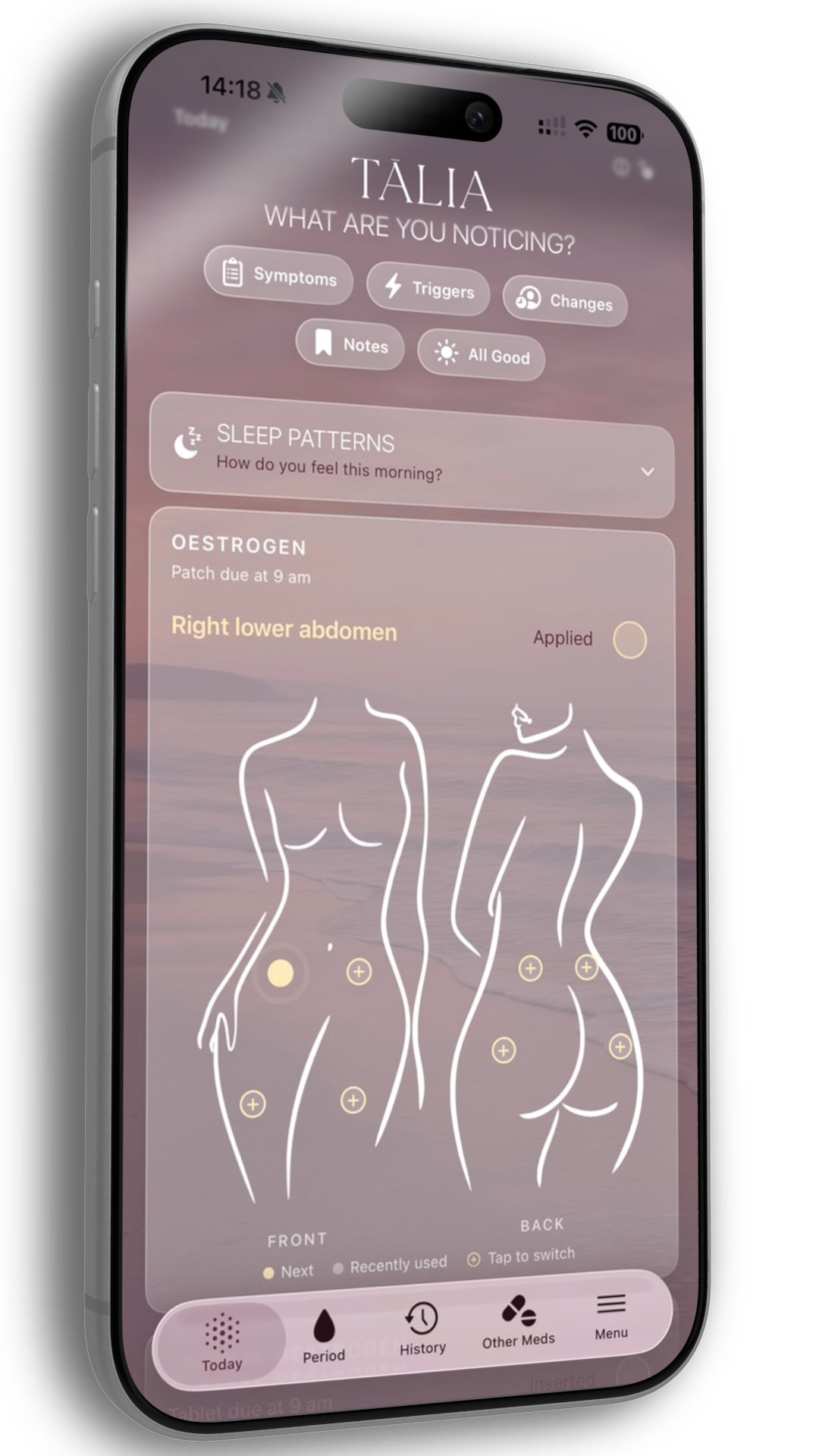
A private, on-device menopause tracking app for tracking perimenopause symptoms, HRT and changes over time - so you can see what's working, stay consistent and walk into any appointment with evidence that can't be ignored.
"A must have app for women in perimenopause and menopause"
★★★★★

PEAK PRIVACY
GOLD
Independent, evidence-based app privacy and security certification.



Built to make sense
of menopause
TALIA is a private menopause tracking app, and if you use it consistently, three things will be true within months:
- You will understand the pattern of what is happening to you
- You will stay consistent on the things that actually help
- You will walk into your next GP appointment with structured evidence that cannot be dismissed.
TALIA does not promise to 'fix' you. It promises to help you make sense of what’s happening, build the evidence you need, and stay consistent on what works — and to do all of this without ever taking your data off your phone.
USER REVIEWS

★★★★★
"Between work, family and life, I was constantly second-guessing whether I’d taken my HRT or supplements. TALIA’s reminders sound simple, but they’ve taken a real mental load off. I don’t have to rely on my memory anymore — which, frankly, isn’t reliable right now. Love that it's private and does just what I need it to do."
Elizabeth - UK
★★★★★
"I thought I had a few symptoms. Turns out I had a lot. Logging them over time helped me realise patterns I’d been brushing off as ‘just life’. It’s not overwhelming, and so easy to use. I finally felt prepared when I spoke to my GP, instead of trying to remember everything on the spot. Thank you."
Rebecca - UK
★★★★★
"I kept telling myself it was probably normal, but having it tracked properly showed just how erratic my cycle had become. Being able to log bleeding alongside symptoms helped me understand things have really changed so I've finally booked to talk to my Doctor."
Sara - UK
Read more reviews
App Store Reviews
MENOPAUSE ISN'T A MOMENT. IT'S A TRANSITION.
It starts earlier than you expect. Before you have a name for it, it's easy to put it down to stress. Or work. Or just life. But something has shifted — in your sleep, your mood, your ability to think clearly — and you can't quite explain it.
When you do have a name for it, the system doesn't always help. The average woman sees a doctor six to eight times before she gets adequate support. 23% are given antidepressants instead. Arriving at an appointment and trying to explain months of experience in ten minutes — from memory — is not a system that works in your favour.
And if you're on HRT, you're managing a daily routine — gel, patches, pessaries, progesterone, dose changes — at a time when remembering things is hardest.
TALIA holds the record for you. So when it matters — at an appointment, reviewing a dose change, understanding why last week was harder than the week before — the information is there. Clear. Timestamped. And totally private.

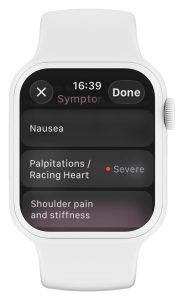
symptom tracking
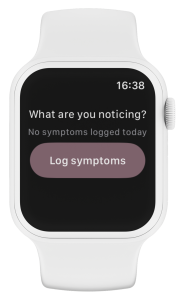
Log from a list of recognised menopause symptoms. Build a consistent record that shows what's actually happening - over days, weeks and months.

reminders
Stay consistent by setting reminders for symptom tracking, HRT, medications and supplements. Keep on top of your routine even when brain fog makes it difficult.
trends
Your data is analysed on your device to highlight patterns and changes.
See how symptoms, triggers, and treatments relate over time.

Doctor's Reports
Create a clear, structured summary of your symptoms and treatment history. Walk into appointments with evidence that enables better conversations and moves things forward.
14 Day Free Trial
We give you 14 days rather than the standard 7 because a week isn't enough to see a pattern. 14 days is.
Why don't we have a free tier?
Your health data should only be shared by choice. Never by default. Never as the price of using a tool.
Most tracking apps make their money from your health data. TALIA doesn't. It's paid software because the value is in the tool. Not in your data.
Everything you record stays on your device. We cannot see it, access it or share it. That's not a promise — it's how the architecture works. It's Privacy - By Design.
Because your menopause health data shouldn't be someone else's business
£3.99/month or £39.99/year after trial · Cancel any time
Do you work with women navigating menopause?
TALIA is used by clinicians, menopause coaches and organisations who want to give the women they support a better tool — and better outcomes.
Find out how TALIA works for your practice or organisation.
Who we are
We’re a husband-and-wife team.
One of us was navigating perimenopause and HRT alongside work, family, and the unpredictable nature of day-to-day symptoms. Brain fog made it harder to keep track of medication, changes, and patterns — and to recall them clearly over time, especially when it mattered.
The other has a technical background in building secure, reliable systems, and knew there was a better way to do this without personal health data leaving the device.
What we wanted didn't exist. So we built it.
★★★★★
"Between work, family and life, I was constantly second-guessing whether I’d taken my HRT or supplements. TALIA’s reminders sound simple, but they’ve taken a real mental load off. I don’t have to rely on my memory anymore — which, frankly, isn’t reliable right now. Love that it's private and does just what I need it to do."
Common Questions About TALIA
What is TALIA?
TALIA is a private perimenopause and menopause symptom tracker for iPhone. It helps you log symptoms, track HRT and build a consistent record over time — with all data stored on your device. Nothing leaves your phone.
Can I track perimenopause symptoms with TALIA?
Yes. TALIA is built specifically for the perimenopause and menopause transition. You can log from a list of recognised symptoms and see how they change over time. See the full feature list in the What TALIA Does section above.
Does TALIA support HRT tracking?
Yes — you can record your HRT type, dose and any changes, set medication reminders, and track how your symptoms respond to treatment over time. More detail in What TALIA Does above.
Does TALIA share my health data?
No. TALIA stores all data on your device. It is never shared sold, or analysed outside your phone. There are no accounts, no cloud storage, and no third-party data sharing. Privacy is the foundation TALIA is built on — not a setting you have to turn on.
Is TALIA available on iPhone?
Yes. TALIA is available on the App Store for iPhone. Download it here.
POLICIES & DISCLAIMERS

menopause tracking app
Contact Info
© TĀLIA 2026
All rights reserved.TĀLIA® is a registered trademark of Create West Country Ltd(UK00004300824).
Private, on-device menopause and perimenopause tracking built in the UK. Founded by Kate Kirkman.